
The biggest threat to a real estate project is not a market crash. It is not interest rates.
It is invisibility!
As an interior designer, I often see projects with excellent architecture, strong locations and significant investment behind them, yet they struggle to generate the attention they deserve.
The reason is surprisingly simple. Buyers do not evaluate a property the way developers do. Developers see years of planning, engineering, construction and financial risk.
Buyers see a screen.
According to the National Association of Realtors, more than 80 percent of buyers say that staging helps them visualize a property as their future home.
That number tells us something important. People are not buying square meters first. They are buying a vision of their future life.
Research from the Real Estate Staging Association found that professionally presented properties reduced time on market by as much as 73 to 77 % compared to similar unstaged properties.
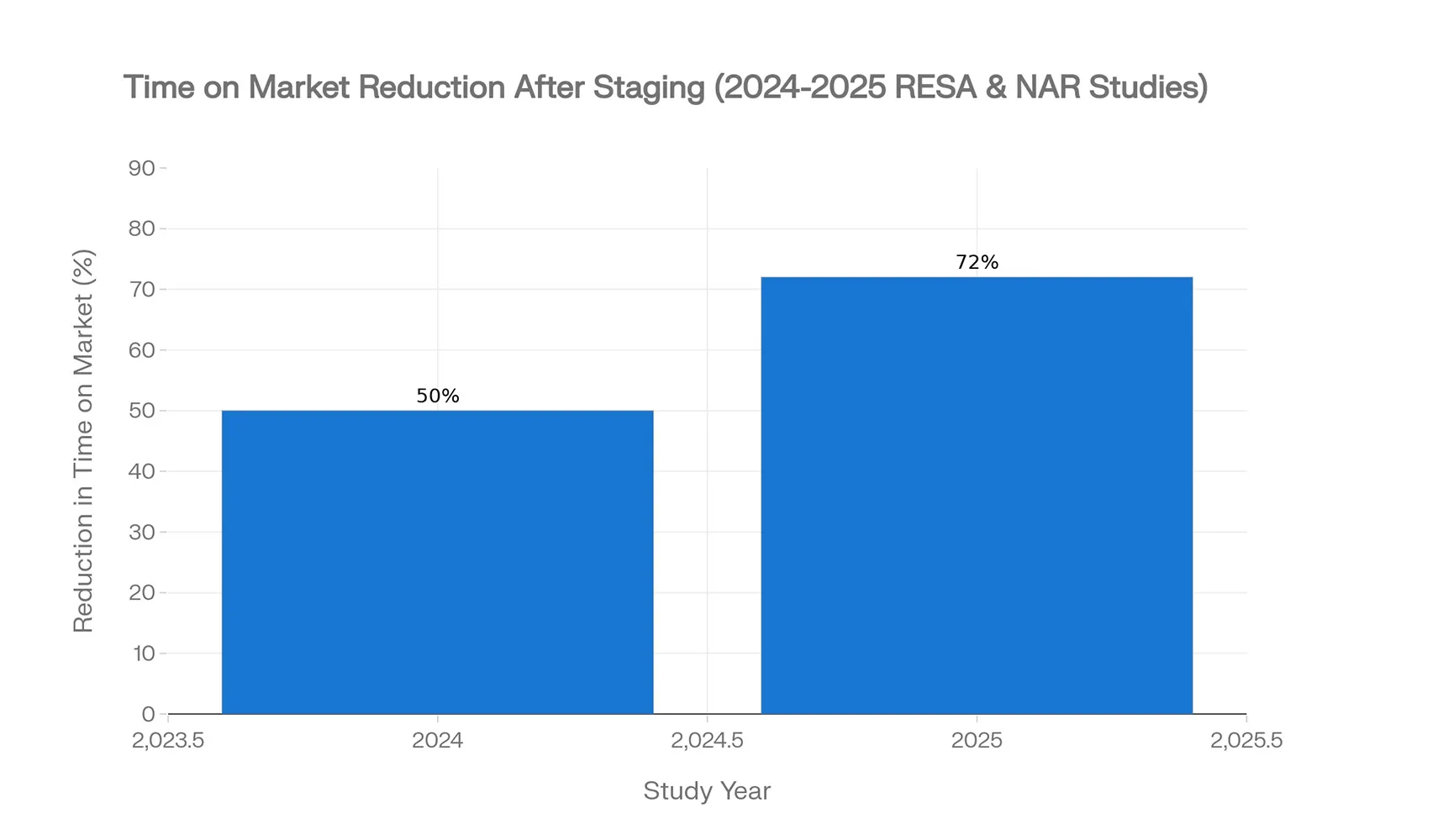
Research on Staging and Real Estate Visualization:
1. NAR – Profile of Home Staging
83% of buyers’ agents say staging makes it easier to visualize a property as a future home: Profile of Home Staging – National Association of REALTORS®
2. RESA – Time on Market Study
Staged homes sell up to 73% faster than non-staged homes: Home staging professionals find new business in changing market – HousingWire
3. RESA – Detailed Staging Research (PDF)
Data showing 73–78% reduction in time on market for vacant and occupied homes: Staging Studies and Statistics – Mondo Collection (PDF)
That is not a design statistic. That is a business statistic.
Because every additional month on the market means carrying costs, tied-up capital and missed opportunities for reinvestment.
The challenge today is that buyers are exposed to an overwhelming amount of information.
Thousands of new listings appear on major property platforms every day.
Most receive only a few seconds of attention before a decision is made to continue scrolling or stop and explore further.
If a property fails to create an emotional connection during those first moments, it effectively becomes invisible regardless of how good the project actually is.
This is why I believe design is not decoration.
Design is visibility. And visibility is often the difference between a property that gets noticed and a property that gets forgotten.
I am curious whether you see the same pattern in your market and projects, because it is something we encounter with remarkable consistency.